
Underbite Treatment: A Modern Guide for Dental Professionals

If you’re a dentist or orthodontist, you know how much a bite problem can affect your patients’ lives. An underbite is one of those issues that can make eating, speaking, and smiling more challenging than they should be. If you want to help your patients with underbite treatment, you need solutions that are simple, comfortable, and work well. That’s where Elencia Aligners come in. These clear aligners are designed for dental professionals like you, providing a convenient way to treat underbites without the inconvenience of metal braces or surgery.

Invisible Aligners Smile Correction Clear Braces Treatment Teeth Straightening Digital Smile Design Fast Orthodontic Care Custom Aligner Solutions Painless Treatment Modern Dental Technology Confident Smiles Invisible Aligners Smile Correction Clear Braces Treatment Teeth Straightening Digital Smile Design Fast Orthodontic Care Custom Aligner Solutions Painless Treatment Modern Dental Technology Confident Smiles

What Is an Underbite?

An underbite occurs when the lower teeth protrude further than the upper teeth. This means the bottom jaw is pushed forward. Sometimes, the underbite is easy to spot. At other times, it’s mild and can only be detected by a dentist. Underbites can be minor or severe. Even a mild underbite can cause problems if left untreated.

What Causes an Underbite?

You might wonder, “Is an underbite genetic?” The answer is yes, most of the time, underbites run in families. If a parent has an underbite, their child may also be at risk of developing one. But genetics isn’t the only reason.

Genetics: underbite often runs in families. If parents have overbite teeth, children are more likely to develop them as well.

Jaw Size Discrepancy: A mismatch in jaw size can cause the upper jaw to protrude or the lower jaw to recede.

Childhood Habits: Thumb sucking, prolonged pacifier use, tongue thrusting, and nail biting can all push teeth out of alignment, resulting in an overbite.

Tooth Loss or Spacing Issues: Early loss of baby teeth, missing permanent teeth, or overcrowding can disrupt bite alignment.

Other factors, such as chronic teeth grinding (bruxism), frequent lip sucking, and improper use of bottles during infancy, can also contribute.

Treating gaps can improve oral health and help patients feel better about their smiles.

Underbite Treatment Treatment: Modern Solutions

Addressing overbite teeth is about more than just aesthetics. Left untreated, children’s bites can lead to:

Braces

Traditional metal or ceramic braces remain a reliable solution for correcting moderate to severe overbites. Braces gradually move teeth into alignment using brackets and wires. For complex skeletal overbites, braces may be combined with other appliances or even jaw surgery.

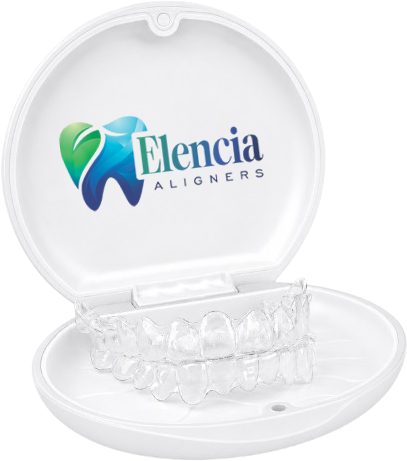
Clear Aligners (Elencia Aligners)

Clear aligners have revolutionized the treatment of overbite teeth. Custom-made, removable trays gently shift teeth into the desired position. Aligners are especially effective for mild to moderate dental overbites and offer several advantages: Aesthetics: Nearly invisible, making them appealing to adults and teens. Removability: Patients can eat, brush, and floss with ease. Comfort: No brackets or wires to irritate soft tissues. Predictable Results: Digital planning enables precise tooth movement. Elencia Aligners, for example, are designed to help dentists address not only overbite teeth but also crossbite, crowded teeth, and gapped teeth, broadening your treatment capabilities.

Functional Appliances

For growing children, functional appliances can guide jaw growth and correct skeletal discrepancies, promoting optimal dental development. These devices work best when jaw growth is not yet complete.

Dental Crowns

In cases where teeth are small or damaged, dental crowns can be used to restore shape and close gaps. Crowns cover the entire tooth and provide a strong, long-lasting solution.

Tooth Extraction

In cases of severe crowding, strategic tooth removal may be needed to create space for proper alignme

Orthognathic Surgery

For adults with severe skeletal overbites, corrective jaw surgery may be the only viable option. This is typically reserved for cases where orthodontic treatment alone cannot achieve the desired outcome.
White-Braces-left-Cover-img

Underbite Treatment Before and After: The Impact of Treatment

Documenting overbite before and after cases is a powerful way to demonstrate the effectiveness of modern orthodontic solutions. Patients often experience:

  • Improved facial profile and smile aesthetics
  • Enhanced oral function and comfort
  • Boosted self-esteem

Sharing these results with your patients can help them understand the value of overbite correction and the benefits of aligner-based treatments.

The Role of Dentists and Orthodontists

As a dental professional, you are the first line of defense in identifying and treating overbite teeth. Early detection and a tailored treatment plan can significantly improve outcomes. By incorporating Elencia Aligners into your offerings, you can offer patients a discreet and comfortable alternative to traditional braces.

For more on how aligners can address other malocclusions, see our guide to crossbite treatment.

Why Choose Elencia Aligners for Underbite Treatment Correction?

Elencia Aligners are engineered to help dental professionals deliver predictable, high-quality results in overbite teeth treatment. Here’s why they stand out:

  • Custom-Fit: Each aligner is tailored to the patient’s unique dental anatomy for optimal comfort and effectiveness.
  • Support and Training: Eledent provides comprehensive support, including case planning and ongoing education for dentists.
  • Versatility: Suitable for overbite, crossbite, crowded teeth, and gapped teeth.
  • Patient Satisfaction: The discreet appearance and ease of use make them a popular choice for patients.

By adopting Elencia Aligners, you position your practice as a leader in modern orthodontics and expand your treatment portfolio.

What the Research Says About Underbite Treatment Correction

Recent studies highlight the effectiveness of clear aligners for overbite correction:

  • Clear aligners can achieve significant overbite correction, with average improvements of 33% in cases involving deep bites. However, overcorrection and refinement may be necessary for optimal results.
  • Treatment time with aligners typically ranges from 12 to 24 months, depending on the severity of the condition.
  • Aligners are most effective for dental overbites and mild skeletal discrepancies. Severe skeletal overbites may require additional interventions.

For a comprehensive overview of aligner-based overbite correction, visit this Healthline article on Invisalign and overbite.

The Benefits of Clear Aligners for Your Practice

Adding clear aligners like Eledent to your practice offers multiple advantages:

  • Attracts New Patients: Modern, discreet treatments are in high demand.
  • Streamlined Workflow: Digital case planning and predictable outcomes.
  • Patient Compliance: Removable trays encourage better oral hygiene.
  • Practice Growth: Broaden your treatment capabilities and stand out in a competitive market.

For more details on Eledent’s support for dental professionals, visit the Elencia Aligners Google Business Profile.

Frequently Asked Questions

How to fix underbite?
You can fix an underbite with clear aligners, braces, or special appliances. For severe cases, surgery might be needed. Elencia Aligners are an excellent option for many patients.
Yes, many underbites can be fixed without surgery. Clear aligners and braces are effective for mild to moderate cases of misalignme
Yes, underbites often run in families. But habits and injuries can also cause them.
Start early! Use appliances, such as braces or aligners, to guide the jaw and teeth into proper alignment. Early treatment can prevent more significant problems later.